
Solar shading can change across the panel area, the day and the year. Calling a space partly shaded leaves those differences unexplained. A short observation record helps a supplier understand your proposed position and exposes when a generation estimate is based on a much clearer location than the one you have.
Record when and where shade falls. A broad label such as partly shaded cannot describe every hour or season.
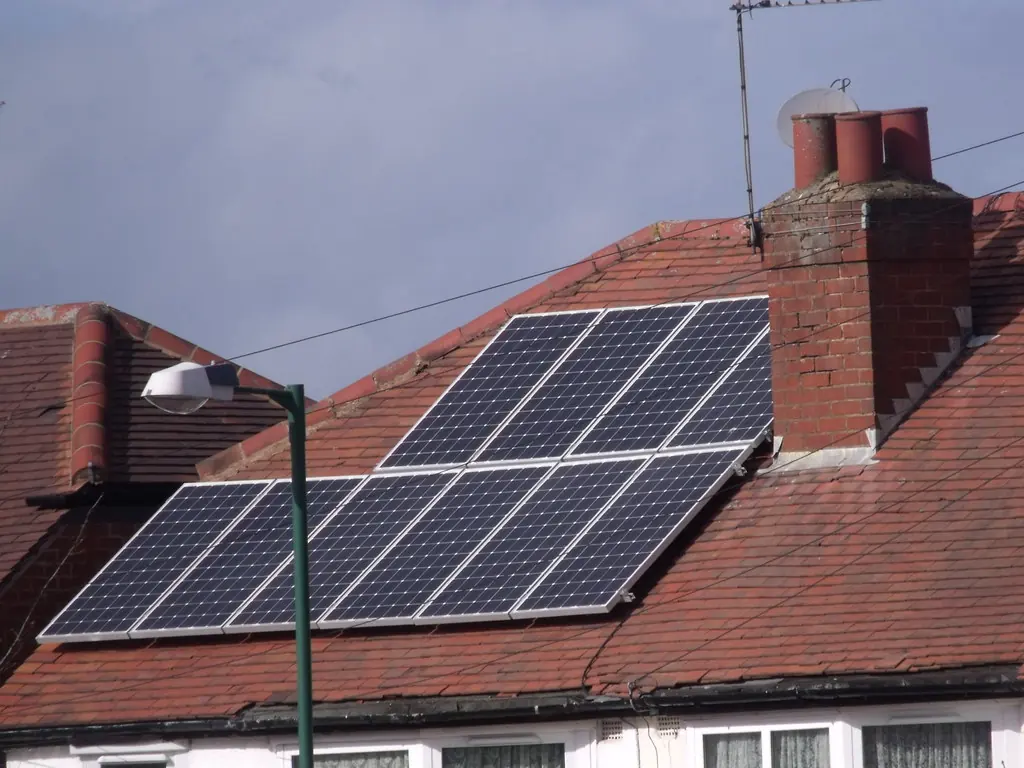
Direction is one part of the picture
Energy Saving Trust identifies unshaded south-facing positions as favourable, while east and west positions can also generate. Nearby buildings and trees can reduce output. Avoid applying a generic roof percentage to a vertical balcony without a location-specific assessment.
Write down the proposed direction and angle, or mark either as unknown. A listing photographed on an open roof does not demonstrate the output you would get behind a balcony rail. Compare the physical situation as well as the product.
Make a short shade diary
Our suggested diary is three observations on a representative day: morning, around midday and later afternoon. Note which part of the proposed panel area is shaded and by what. Add photographs taken from a safe, accessible position, with the date and time.
Repeat when practical rather than assuming one day describes the whole year. If you only have summer observations, label them that way. This is useful evidence for a supplier, not a substitute for a professional annual shading model.
- Record a fixed obstruction such as a wall separately from moving foliage.
- Include the full proposed panel area, not just the brightest corner.
- Note everyday objects that could shade it, such as outdoor furniture.
Ask what the estimate assumes
Send the same diary to each supplier and ask whether its generation estimate includes those obstructions. Request the assumed direction, tilt, location and shading treatment in writing. A small difference between two estimates may simply reflect different assumptions.
RECC recommends property-specific performance estimates for installed projects. That is also a useful question to ask when evaluating a kit seller: is this number personalised, a modelled example or only a headline rating?
Compare placement changes before extra equipment
Ask whether another permitted location would address the main obstruction. Do not assume a more powerful panel or an additional component will remove the effect of a poor position.
If the evidence remains limited, compare a range of possible savings instead of one precise payback period. Keep any unresolved mounting or permission issue visible in your decision, even if a second position appears sunnier.
Solar shading: what to record during an observation
This is a blank observation framework, not a prediction that those conditions apply at your home. Record what you can see safely, and label gaps honestly. A professional estimate should explain how observations have been translated into an annual assumption rather than treating one sunny afternoon as a full-year survey.
| Field | Useful detail |
|---|---|
| Date and time | When the observation was made, including the season. |
| Affected area | Which part of the proposed panel position is shaded. |
| Obstruction | Tree, building, rail or another identifiable obstruction. |
| Evidence limit | Weather, missing time periods or directions you could not establish. |
Common questions
Does partly shaded mean solar will not work at all?
Not automatically, but the label is too broad to predict output. Record the timing and affected area, then ask how the proposed system and estimate account for it. Avoid applying a generic loss percentage to a specific balcony or wall without an explanation of the assumptions. Choosing a solar panel location: balcony, garden or wall.
Will buying a more powerful panel solve the shading problem?
Do not assume it will. Ask whether a different permitted position would address the obstruction and request an explanation of any proposed equipment change. A larger peak rating is not evidence that the actual shaded location will deliver the annual generation shown in an advertisement. Solar watts, kWh and inverter output: what the numbers mean.
General information, checked against the linked sources on 6 September 2026. Rules and products can change. For a decision about your property, use the current official guidance and appropriate professional advice. Tell us about a correction. How we prepare our guides.
Compare for your property
Compare named plug-in kits, recorded prices and package contents, or get a shortlist for your own home.
See solar options