
A solar panel location needs enough permitted, usable space for the complete mounting arrangement. A sunny patch alone is not enough. Measure the proposed position, record obstructions and identify the connection route before shopping; those details can rule out an unsuitable configuration before you spend time comparing its price.
The best-looking sunny spot is only a candidate until the mounting, permissions and connection route are resolved.
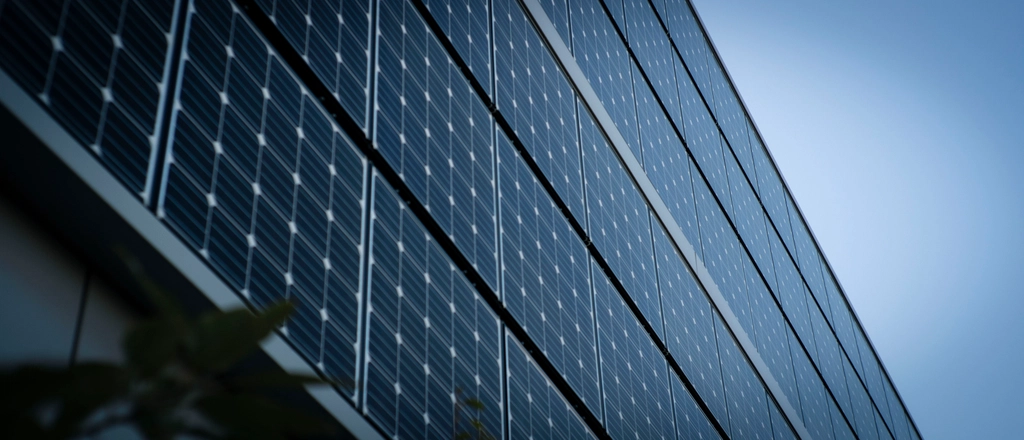
Measure usable space, not the whole surface
Make a simple sketch with the width and height of the space you can actually use. Mark doors, windows, drains, walkways and objects that must remain accessible. Add the dimensions of the proposed mounting arrangement, rather than measuring only the glass panel.
For example, a two-metre-wide area does not automatically fit two panels described as one metre wide. Brackets, spacing and installation access may change the required envelope. Ask for the installed dimensions of the exact assembly and compare those with your sketch.
Different positions need different answers
Energy Saving Trust highlights suitable frames for garden panels and structural checks for outbuildings. Its plug-in checklist also covers secure mounting and cable hazards. Use those checks to identify questions; do not use a product photograph as an installation design.
- Balcony: who controls the exterior, and who can assess the proposed support?
- Garden: what space remains for everyday use, maintenance and safe access?
- Wall: is the exact mounting system intended for this construction and exposure?
- Shed or garage: who will confirm the structure and roof condition are suitable?
Include the whole connection route
Draw the proposed route between the device and the intended socket. Note the supplied cable length and any door, window or path it would cross. Do not solve a missing reach by assuming that an extension lead can be added: plug-in solar requires a direct connection to a suitable socket.
Ask a qualified electrician to resolve uncertain socket or wiring suitability. Put any required work into the price comparison before deciding that one location is the cheapest.
Compare two candidate locations before buying
For each position, record usable dimensions, observed shade, permissions still needed, mounting questions and unpriced work. One may be sunnier but require an expensive or impractical installation; another may be simpler but generate less.
Send the same sketches and photographs to shortlisted suppliers. Ask them to explain which location their proposal assumes. This prevents apparently competing prices from quietly describing different jobs.
Solar panel location: a garden, balcony and wall worksheet
For a garden setup, compare the installed frame footprint rather than just the total glass area. Record the space needed to keep using the garden, maintain the panels and reach the socket. A small panel-area figure cannot tell you how far an inclined stand projects.
Choose two candidate positions and use the same worksheet for both. The aim is to identify what changes the buying decision, not to design an installation yourself. Ask the seller for drawings of the exact mounting option; do not substitute dimensions from a different product in the range.
- Photograph shade at several times rather than relying on one sunny image.
- A cheaper mounting package may not remain cheaper after access or electrical work.
- A seller delivering nationally may offer fitting only in selected areas.
| Location | Measurement or evidence to obtain | Cost question |
|---|---|---|
| Garden or patio | Full frame footprint, manufacturer clearances and safe access | Are the correct stand, ballast and any ground preparation included? |
| Balcony | Permitted usable space and the approved attachment arrangement | Who checks the support and supplies the specified fixings? |
| Wall | Exact mounting drawing, wall construction and access for fitting | Are access equipment, fitting and suitable fixings priced? |
| Every position | Shade at different times and the permitted cable route | Does a suitable socket already exist, or is electrical work needed? |
Common questions
Can I use an extension lead to reach a sunnier position?
No. The current plug-in guidance requires a direct connection to a suitable socket. Do not trade away that requirement for a sunnier location. Ask a qualified electrician about any socket work and include its cost before deciding which position is practical. How to register plug-in solar and check your device.
Can a supplier confirm the whole installation from a photograph?
A photograph can help start the discussion, but it cannot establish hidden wiring condition, structural capacity or every mounting requirement. Ask the supplier what its advice does and does not cover, and which on-site or professional checks remain before the proposal is accepted. Solar shading and orientation: choosing a better position.
General information, checked against the linked sources on 6 September 2026. Rules and products can change. For a decision about your property, use the current official guidance and appropriate professional advice. Tell us about a correction. How we prepare our guides.
Compare for your property
Compare named plug-in kits, recorded prices and package contents, or get a shortlist for your own home.
See solar options