
Plug-in solar for renters starts with the space you are allowed to use, not the cheapest kit. You may control a balcony's day-to-day use without being able to alter its railing or the building exterior. Work through permission and placement together, then compare products for the proposal that can actually proceed.
Having a balcony or renting your home does not settle suitability. Check who controls the space, what can be attached and how the device can be installed safely.
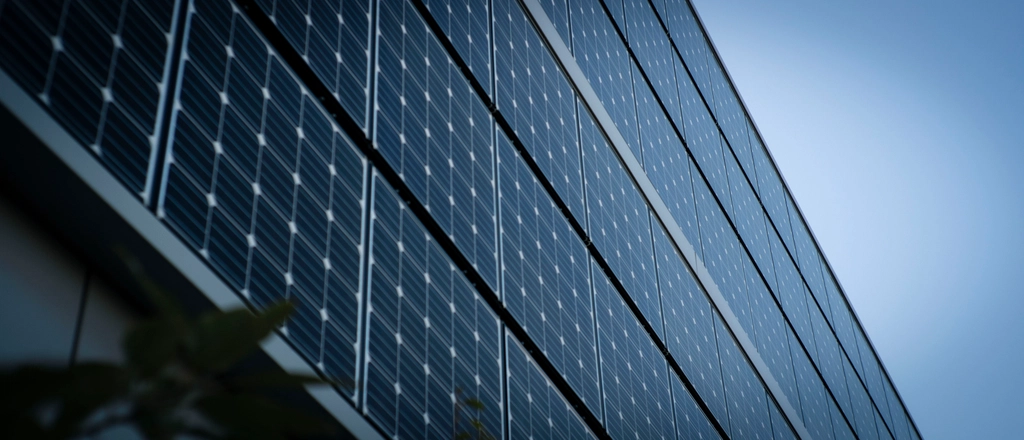
Ask the person responsible for the building first
Energy Saving Trust advises tenants, leaseholders and residents of managed buildings to obtain permission before buying. That may mean a landlord, freeholder or building manager. Owning a flat does not necessarily give you control over its exterior or communal areas.
For a useful conversation, describe a specific proposal rather than simply asking whether solar is allowed. A photo of the intended position and the manufacturer's mounting instructions can make the request much clearer.
What to include in your permission request
Here is our suggested information pack. It is a discussion checklist, not a legal form or an assurance that consent will be granted. Keep the written response with your order documents so there is a clear record of what was agreed.
- The named product, panel dimensions and intended location.
- How it would be supported, and whether drilling or other alterations are proposed.
- The manufacturer's instructions and who would assess or carry out any necessary work.
- Who would maintain it, remove it when you leave and address any damage.
- Any questions the building manager or insurer needs answered before a decision.
Do not treat a balcony railing as a ready-made mounting point
Building, fire-safety and insurance considerations still apply. Energy Saving Trust particularly flags external cladding, timber balconies and buildings undergoing external-wall work as reasons to speak to the building manager.
Do not improvise fixings or try to establish load capacity from a photograph. Give the product instructions to an appropriate professional where the mounting or structure is uncertain. A comparison result cannot assess a railing, anchor or facade.
Check the planning route for your country
The planning resources linked below are separate for England, Wales and Scotland. Use the one for your location and ask your local authority about the exact proposal, especially where a listed building or conservation area is involved. Do not assume a rule for a house in England also settles a flat in Wales or Scotland.
Compare what you can actually install
Before comparing prices, note the usable dimensions, obstructions and proposed cable route. Keep a distinction between space you can see and space you are permitted to use. Include access for normal use of the balcony rather than treating its entire floor area as available for panels.
In our comparison, choose flat or house separately from rent or own, then select the intended panel location. Read any mounting and permission checks on the results before contacting a supplier. If approval is still unresolved, keep the shortlist as research rather than placing an order.
Plug-in solar for renters: turn permission into a workable shortlist
Compare products only against the space and mounting arrangement that can actually be agreed. The same panel may be offered with different brackets: approval for a floor-standing frame does not establish approval for a railing-mounted version.
A useful request is: "I would like to place [exact kit] at [location], using [manufacturer mounting system]. The installed dimensions are [dimensions]. Could you confirm whether this proposal is permitted, any assessments or conditions required, and the removal arrangements when I leave? I will not order until these are resolved." Attach the product instructions and a location photograph; this is a suggested starting point, not a legal form.
- Keep the decision, named device, agreed location and conditions together.
- Compare removal, return arrangements and warranty support as well as the purchase price.
| Your position | What to compare next |
|---|---|
| No written decision yet | Keep a research shortlist; do not treat a general discussion as approval. |
| Permission for a specific floor-standing setup | The named mounting version, its full footprint and clearance. A balcony-labelled kit is not automatically suitable. |
| Permission subject to a professional assessment | The cost and outcome of that assessment before a purchase commitment. |
| A different kit or mounting position is proposed | Send the changed proposal back for confirmation before ordering. |
Common questions
Can I take a kit with me when I move?
Ask about removal and reinstatement before buying. Whether a particular setup can move safely depends on its instructions, mounting and your property agreement. A device suitable at one address still needs fresh location, permission and electrical checks at the next; portability should not be assumed from a product photograph. Choosing a solar panel location: balcony, garden or wall.
Does owning my flat settle the permission question?
Not necessarily. Ownership of the flat does not by itself describe who controls exterior walls, shared areas or structural alterations. Identify the relevant building arrangements and show the responsible person your specific proposal. The checks for a privately owned house should not simply be copied across. Plug-in solar UK rules: what is legal in 2026?.
General information, checked against the linked sources on 6 September 2026. Rules and products can change. For a decision about your property, use the current official guidance and appropriate professional advice. Tell us about a correction. How we prepare our guides.
Compare for your property
Compare named plug-in kits, recorded prices and package contents, or get a shortlist for your own home.
See solar options