
Solar installation quotes can differ because they describe different work, not because one company is simply more expensive. Put equipment, labour, access, paperwork and aftercare on the same basis. Then examine the performance assumptions separately, so an optimistic savings calculation does not hide a weaker or incomplete proposal.
A quotation is comparable only when you know what it includes, what it excludes and which assumptions produced the savings estimate.
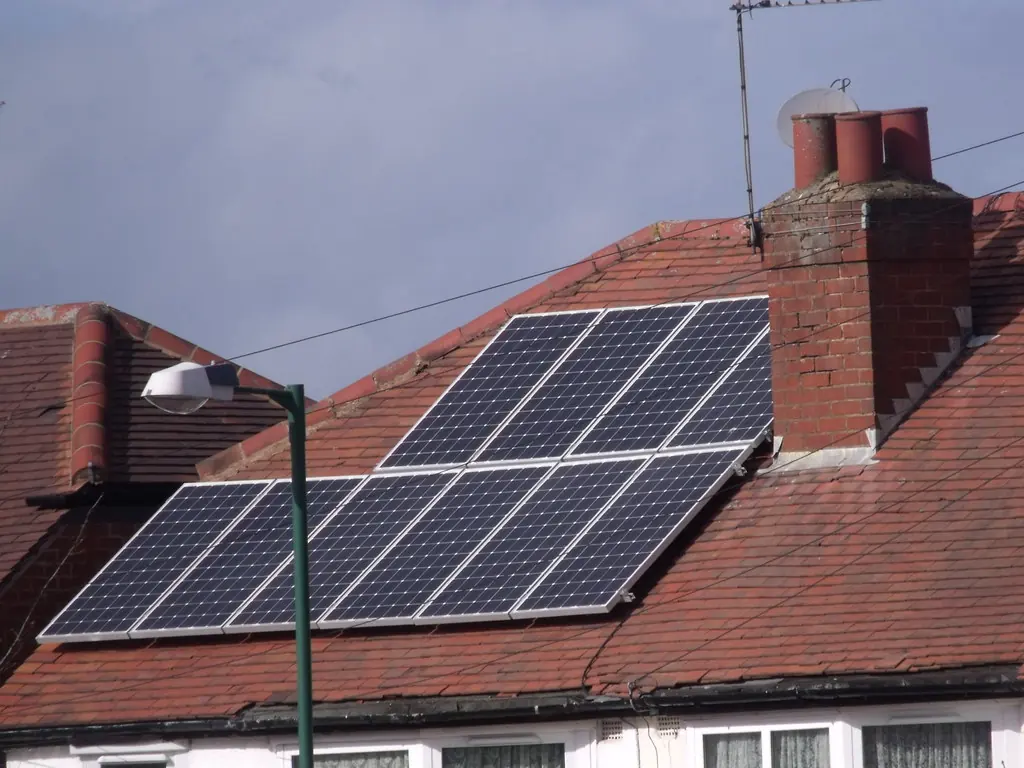
Give each installer the same brief
Describe your property, intended location, existing equipment, storage preference and level of service. Include relevant permission constraints. Ask each company to distinguish its recommended design from any alternative it wants you to consider.
RECC recommends a written, inclusive breakdown and a performance estimate specific to the property before a contract or deposit. Treat an initial online figure as the start of that conversation, not automatically the finished quotation.
Put the scope side by side
Our suggested worksheet uses the same headings for each proposal. Record a missing answer as unresolved, not included. If one quote changes the equipment, ask for the effect on price, expected output and warranty rather than comparing only the final totals.
- Named panels and inverter, quantities and proposed layout.
- Any battery: exact model, usable capacity and whether it is included.
- Access, scaffolding, mounting, electrical work and reinstatement.
- Who handles applicable network procedures and handover documents.
- VAT, payment stages, quote validity and exclusions.
- Workmanship cover, equipment warranties and the support contact.
Separate generation from money
Ask for annual generation in kWh, assumed household use of that energy, and any export income as separate entries. Request the tariff assumptions and date. A supplier using a higher assumed electricity price can show a larger saving without proposing a better system.
Where financing is proposed, compare total payable and financing terms separately from the cash price. Do not compare a monthly payment for one offer with the upfront cost of another. Any uncertainty in the forecast should remain visible in your decision.
Confirm responsibility before a deposit
Ask who contracts with you, who performs the work and who responds to a fault. If subcontractors are involved, clarify the main company responsibility in the written agreement. Check membership and certification claims with the relevant scheme for the technology offered.
For a RECC member, ask for the applicable deposit and workmanship protection documents; RECC membership requirements do not make every retail kit an insured installation. Resolve outstanding questions in writing before paying, rather than relying on an informal sales assurance.
Solar installation quotes: resolve gaps before ranking prices
A missing line item is not a zero-cost line item. Ask each installer to complete the same scope before deciding which price is better. Where the design differs intentionally, request an explanation of the trade-off instead of forcing unlike systems into a single apparent bargain.
| Gap | Question |
|---|---|
| Access not mentioned | Does the price include required scaffolding and safe access? |
| Equipment not named | What exact models, quantities and layout will be supplied? |
| Large saving with no assumptions | What generation, self-use, tariff and export assumptions were used? |
| Single warranty headline | Which terms cover equipment, workmanship, labour and claims? |
Common questions
Can I compare monthly finance payments with cash prices?
Not directly. Request the cash price, deposit, payment schedule, total payable and finance terms separately. A smaller monthly payment may run for longer or cover a different project. Compare the same installation scope first, then evaluate the payment arrangement without treating financing as a discount. Plug-in solar costs, savings and payback explained.
What if an installer recommends a different system?
Ask what requirement the alternative improves, which assumptions change and what it adds to the complete cost. Keep it as a clearly labelled alternative rather than an equivalent quote. A reasoned design change can be useful, but a different scope should not quietly replace your original brief. Plug-in solar vs installed solar: where do DIY kits fit?.
General information, checked against the linked sources on 6 September 2026. Rules and products can change. For a decision about your property, use the current official guidance and appropriate professional advice. Tell us about a correction. How we prepare our guides.
Compare for your property
Compare named plug-in kits, recorded prices and package contents, or get a shortlist for your own home.
See solar options