
Comparing plug-in solar vs installed solar is first a decision about scope and responsibility. DIY describes who does some of the work; it does not prove that a kit connects through a socket. Decide what you want supplied, assessed and installed before comparing prices, then ask each seller to describe the same job.
Choose the connection route and level of help you need before comparing prices. DIY is not another word for socket-connected.
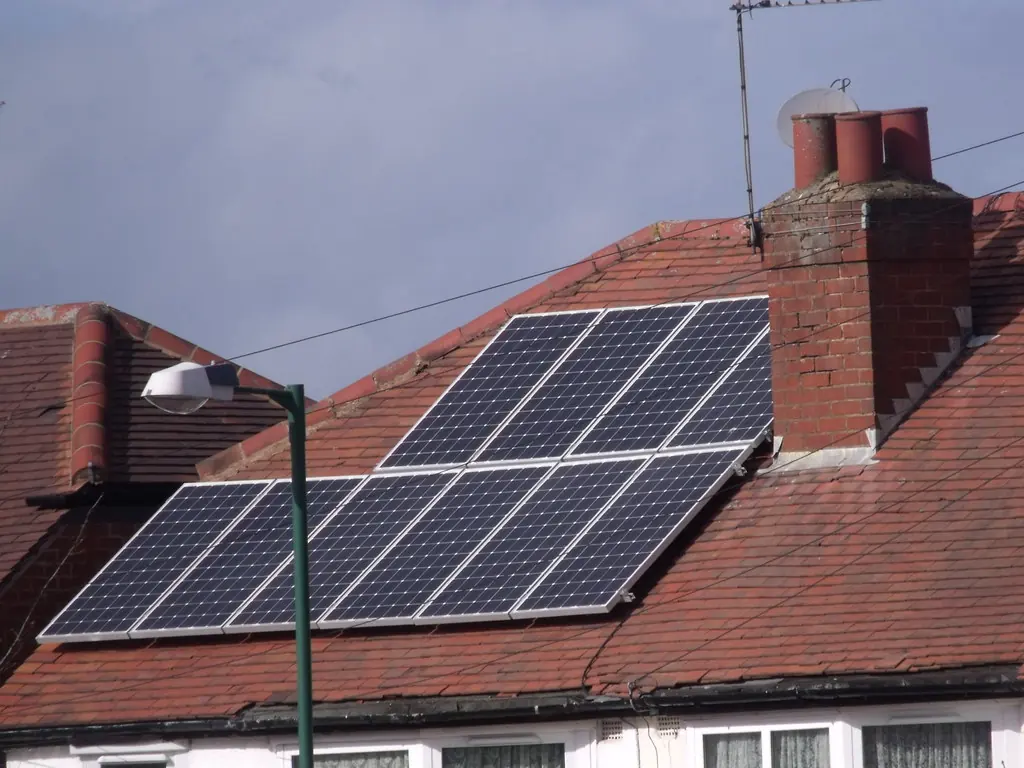
Start with how it connects
A compliant plug-in device supplies the home through a suitable socket. Conventional rooftop solar uses a professionally arranged electrical connection. A kit advertised for DIY assembly can still need a hardwired connection: the sales label alone does not answer that question.
Ask the seller to name the connection route in writing. If you want a small socket-connected setup, a ten-panel roof bundle should not become your preferred option just because its cost per panel looks attractive. It is answering a different brief.
Compare who does each part
Our suggested comparison is a responsibility list, not simply a list of equipment. For each offer, record who checks suitability, supplies the mounts, arranges any electrical work, completes registration and deals with problems. Where the seller leaves a task to you, decide whether you can realistically organise it.
Someone happy to research products may still prefer a single installation contract. Equally, a household with a suitable small space may not need the scope of a full roof project. Neither preference makes one route universally better.
Write a one-sentence brief
Try one of these starting points, then add your actual property and permission constraints. These are example requirements, not claims that a particular home is suitable.
- I want to investigate a small, solar-only plug-in device for a permitted outdoor position.
- I want a supply-only kit, with the required connection work priced separately by a professional.
- I want one company to design, supply and install a complete system, including any agreed storage.
Keep unlike offers in separate comparisons
Compare complete plug-in offers with each other first, and compare installed proposals separately. Only then consider whether changing route would improve the outcome. Include the extra responsibilities and complete price in that decision, not just the headline saving.
If a supplier proposes a different route, ask what need it solves and which requirement it changes. Keep an alternative worth considering, but do not mistake it for an exact match to your original request.
Plug-in solar vs installed solar at a glance
These are buying categories, not promises of suitability or legal classifications for every product. A supplier can sell more than one category, and a small kit may still require professional work at a particular property. Confirm the connection route in the exact proposal rather than relying on the company name.
| Route | Main question | Price comparison |
|---|---|---|
| Compliant plug-in device | Does this complete device suit the permitted position and connection? | Kit, correct mounts, delivery and any necessary work. |
| Supply-only DIY kit | Which tasks remain yours and who handles the electrical connection? | Equipment plus all separately arranged work. |
| Managed installation | What design, installation and aftercare are in the contract? | The complete agreed project and exclusions. |
Common questions
Can a small DIY kit still require an electrician?
Yes. Small panel capacity and self-assembly do not establish a socket connection route. Ask what the kit is designed to connect to, what work is required and who will carry it out. Do not alter a hardwired kit to imitate a plug-in device. How to register plug-in solar and check your device.
Should I compare all routes by price per watt?
Not as the deciding measure. Price per watt leaves out scope, suitability and responsibilities. It can make a large supply-only bundle appear better than a smaller complete offer while answering a different need. Compare like-for-like packages first and consider route changes as separate alternatives. What should a good solar shortlist look like? Three examples.
General information, checked against the linked sources on 6 September 2026. Rules and products can change. For a decision about your property, use the current official guidance and appropriate professional advice. Tell us about a correction. How we prepare our guides.
Compare for your property
Compare named plug-in kits, recorded prices and package contents, or get a shortlist for your own home.
See solar options